10 Things Competitors Teach You About Railroad Settlement Mds


Railroad Settlement For Emphysema
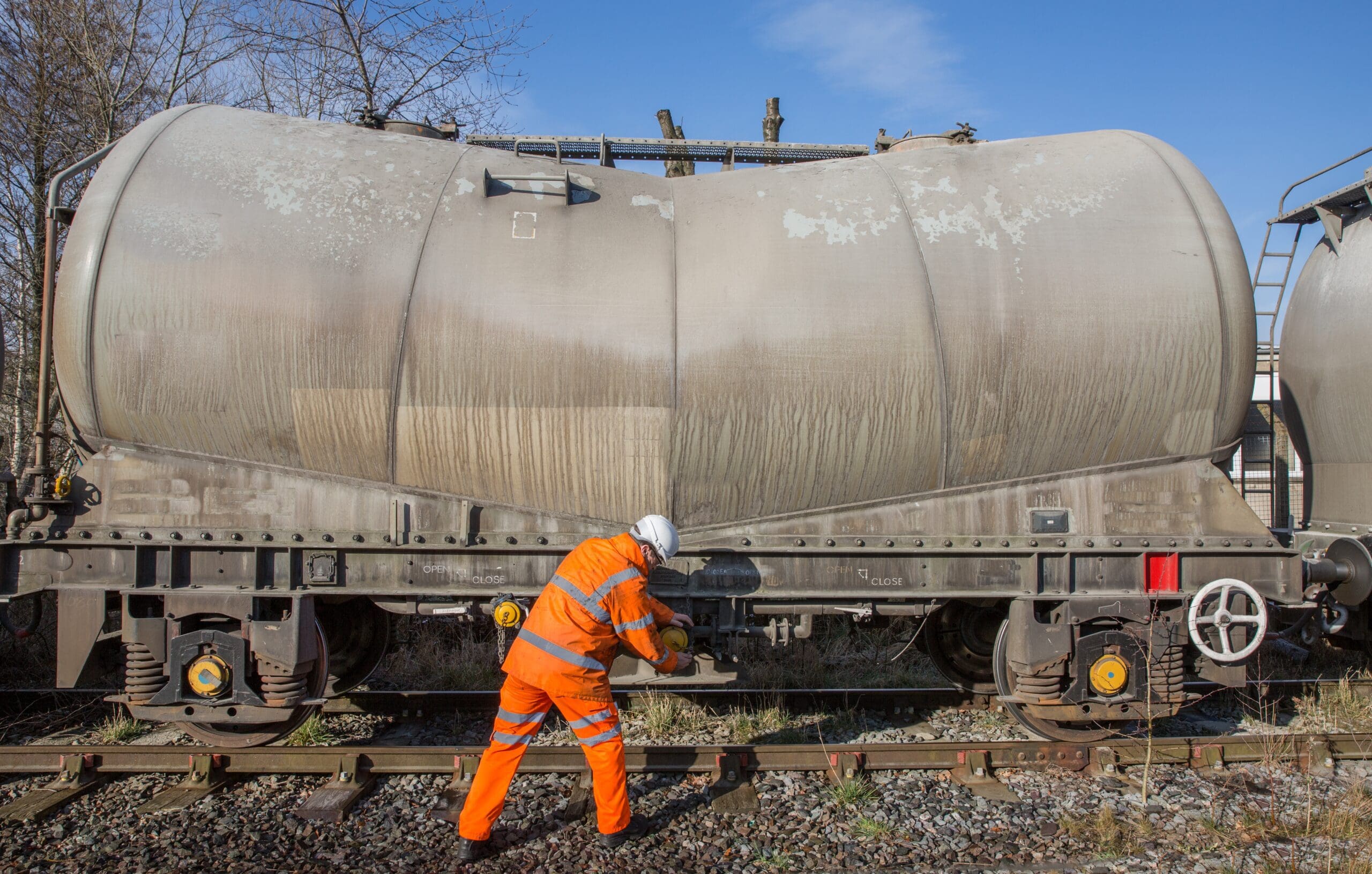
Railroad workers suffer from emphysema as a result of years of exposure to dust, toxic fumes and gases. Our FELA firm helps them with filing occupational disease claims.
Emphysema patients often rely on compensation from railroad settlements to cover hospitalization, surgery and therapy costs related to the condition. Several different types of inhaled particulates can cause this lung disease, including silica sand, diesel exhaust, and asbestos.
lung cancer settlements is found in the Earth's crust in tiny grains. It is a product of silicon dioxide (SiO2) which has a unique crystal structure that gives it hardness and other properties. It is commonly used in the construction industry.
Inhaling silica dust could cause silicosis. This is an occupational lung disease that can lead the death of the lungs. It happens when tiny particles of crystalline silica get into the lung creating inflammation and scarring. Over time, fibrosis begins to form around the silica particles, and the lungs are permanently scarred. This can result in lung cancer, emphysema, or bronchitis.
Railroad workers can be exposed to crystalline silica by different ways, such as drilling or hammering rocks that is silica-rich; blasting abrasive, and working with masonry materials and concrete. Other sources of crystalline silica include rice hulls and sand and other plant tissues containing silica as well as various types of paints.
The tiniest of silica particles can be breathed deep into the lungs and cause damage to the. Railroads must shield their workers from silica by restricting the time they spend in locations with significant airborne dust. Railroads must also make sure that they provide sand-free shoes and mouthpieces for employees who are using equipment that produces airborne sand. Furthermore, trains should be equipped with filters to prevent the sand from entering the cab.
Welding Fumes
If you imagine welding, it is likely that you will see an experienced welder, surrounded by sparkling sparks and elegant curled fumes. The romantic image quickly disappears when you consider the negative effects of the fumes that are released into the air on workers' health.
Welding fume can be toxic because it is a combination of metal particles, chemicals and gases. This mix of elements can impact the health of welders at both short-term and long-term exposure. The exact composition of welding fumes depends on a variety of factors including the type of metal being welded and the coatings and paint on the metal, and the shielding gas used.
Whatever the composition of welding fumes, a typical reaction for welders is metal fume fever. This is often characterized by flu-like symptoms like fatigue, chills and pain. These symptoms include an metallic taste in your mouth, and general feeling that you are not well.
asbestos lung cancer settlement of exposure to welding fumes may be minimized by a range of control measures, such as local exhaust ventilators (LEV) as well as respiratory protection equipment and mechanical general ventilation. However it is essential to remember that these measures should be viewed as a last resort option. If welding lung cancer settlements can't be controlled by these methods, then an COSHH Assessment should be performed to determine the appropriate measures. This includes estimating exposure and determining the steps that need to be taken to limit it if prevention is not feasible.
Diesel Exhaust
In recent years there has been a rise in the use of "cleaner" engines for trucks and other vehicle types. People who work in agriculture and construction, or other services where large equipment burns fuel, are still exposed to dangerous fumes. These fumes are full of hundreds of harmful chemicals that can cause harm to the skin as well as the lungs and internal organs.
Diesel exhaust fumes can be inhaled by railroad workers who operate trains. These toxic fumes can also be inhaled by shop workers, who might have to stay in the engine while it's in the shop.
Diesel exhaust from diesel engines contains gasoline that has not been burnt as well as toxic chemicals. These chemicals include particulate (soot) and nitrogen oxides, hydrocarbons, and volatile organic compounds. Breathing in high concentrations of these contaminants can lead to respiratory symptoms such as a cough and irritation in the throat and nose and breath shortness. It can also cause a buildup of fluid in the lungs.
Studies on diesel exhaust have shown that it can also increase the risk of lung cancer among humans. The International Agency for Research on Cancer which is part of the World Health Organization, has classified diesel exhaust as carcinogenic to humans.
Asbestos
Asbestos is a hazardous material that was once widely employed in the railroad industry. It was durable, resistant to corrosion and a great insulator. It was easy for installation and cost-effective to make. However, asbestos is linked to many kinds of lung cancer as well as other diseases. The mesothelioma lawyers of Simmons Hanly Conroy are familiar with the negative impact that exposure to asbestos has on a railroad worker’s health and quality of life. We assist injured railroad employees submit FELA lawsuits to receive financial compensation for their diseases and injuries.
Studies have shown that railroad workers have an increased risk of mesothelioma as well as other asbestos-related diseases than others in the workforce. This is especially the case for those who worked prior to 1950, when railroads switched from steam to diesel engines. The older workers could have been exposed when they built, repaired or sanded rail cars, railway ties, as well as locomotives made of this flammable material.
Because mesothelioma and asbestos-related diseases have a long period of dormancy which is why many railroad workers did not know they had a condition until years after exposure. If you have a respiratory illness like COPD lung carcinoma, COPD, or mesothelioma that is related to your work in the railroad industry it is crucial that you speak with a mesothelioma attorney immediately.